The passage in Colossians 1:15–23 presents a poetic and thought-provokingperspective on the interconnectedness of existence, the nature of power, and thepossibilities of unity and reconciliation. Although its origins are theological, its themestranscend specific religious frameworks, inviting readers to consider the broaderimplications of identity, purpose, and the forces that bind us together. The Visible and Invisible […]

The passage of Ephesians 4:7-16 offers profound insights into the dynamics ofcommunity, leadership, and growth, not just within a religious framework but also as ametaphor for human collaboration and development. Beyond its theological implications,this ancient text presents universal principles about diversity, cooperation, and thepursuit of collective maturity that are just as relevant today as they […]

For many, ancient languages like Biblical Hebrew, Koine Greek, and ClassicalLatin exist as static relics—a series of grammatical rules and vocabulary liststo be memorized. Yet, they are far more dynamic than their reputationsuggests. These languages carry with them the lifeblood of the cultures andcommunities that once spoke them, preserved in sacred texts, philosophicaltreatises, and historical […]

Second Language Acquisition (SLA) research offers profound insights intohow learners navigate the complexities of acquiring a new language. At theforefront of this field is Stephen Corder’s seminal work, The Significance ofLearner’s Errors (1967), which argues that errors are not mere obstacles butvaluable windows into the learner’s cognitive processes. For students ofancient languages like Biblical Greek, […]

When we think about culturally responsive teaching, our minds often go tomodern classrooms with diverse students learning contemporary languages.But what happens when the “students” are learners of ancient languages likeBiblical Hebrew, Koine Greek, Latin, or Classical Arabic? Can the principles ofculturally responsive teaching transform how we approach the study of theselanguages?Drawing on insights from Angela […]

Jacques Derrida’s deconstructionism offers a powerful lens for examininghistory, philosophy, and religion, particularly when considering hownarratives are shaped and reshaped over time. One of Derrida’s central ideasis that “history is written by the winners” and that our understanding ofclassical philosophers, prophets, and other historical figures is mediated bylayers of transcription, translation, and interpretation. As fascinating […]
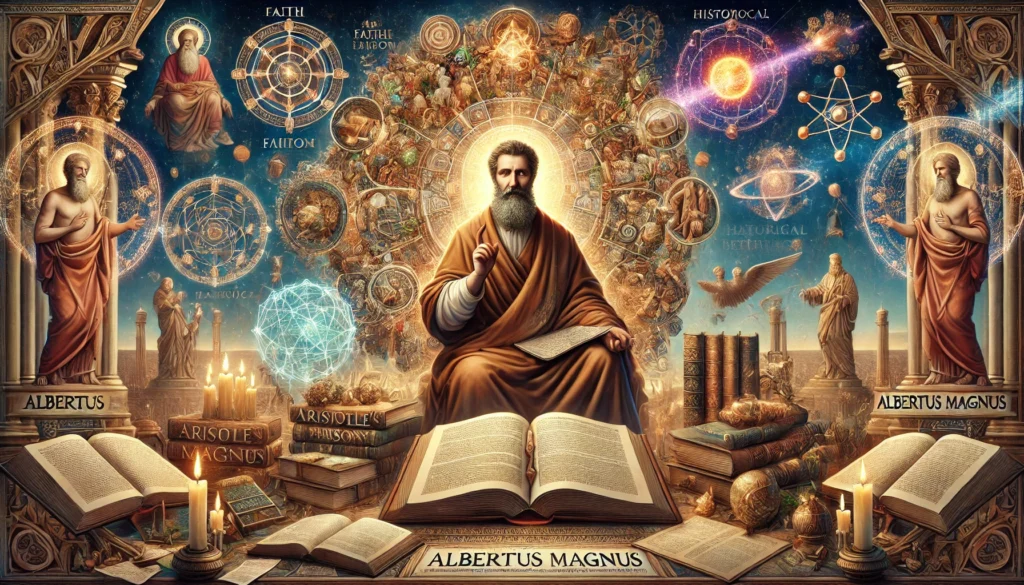
Albertus Magnus, or Albert the Great, stands as a towering figure of medievalphilosophy and theology. Born around 1200 in Lauingen an der Donau,Germany, Albert was a polymath who explored subjects ranging frommetaphysics to zoology. Not only was he a prolific writer and thinker, but healso played a pivotal role in shaping the intellectual landscape of […]
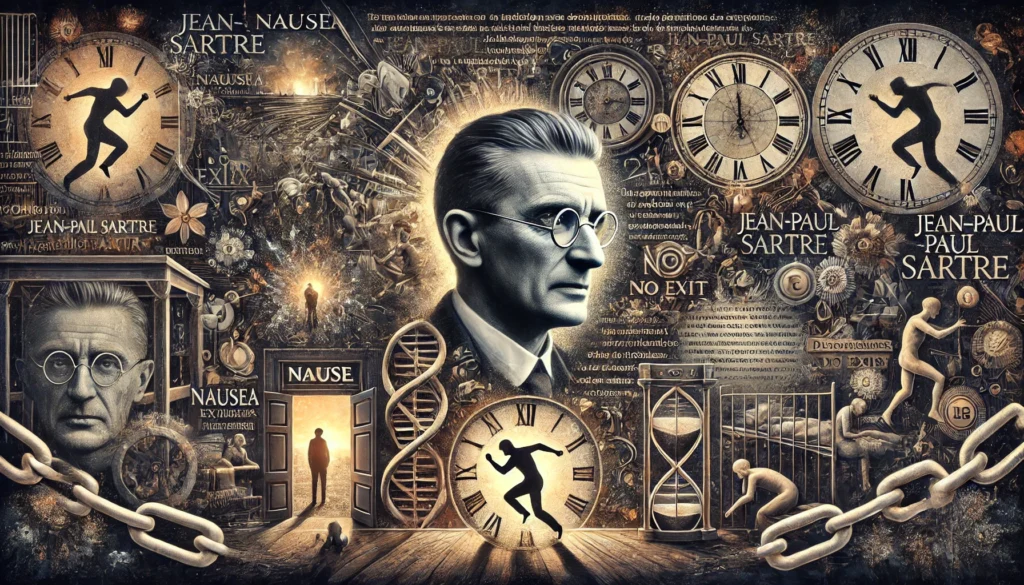
Jean-Paul Sartre, a towering figure of modern philosophy, left an indeliblemark on literature and thought with his unique take on existentialism. Hiswork navigates the complex terrain of free will, authenticity, and the natureof human existence. Through novels, plays, short stories, and philosophicallectures, Sartre invites readers to confront profound questions about life,choice, and meaning. Free Will […]

Join Us in Our Mission: Connect, Follow, and Share Our Journey! At IIRASAUARC, we are dedicated to preserving linguistic heritage andfostering intercultural understanding. Our mission is to connect peoplewith the rich histories and languages of the past, ensuring they remainvibrant and relevant for generations to come. But we can’t achieve thisalone. Your support amplifies our […]

The idea of scapegoating—a practice with deep roots in ancient religioustraditions—has ignited heated debates across anthropology, theology,sociology, and linguistics. At the heart of these debates lies a provocativequestion: was Jesus, history’s most famous martyr, a scapegoat in thehistorical and ritualistic sense? This inquiry challenges deeply held beliefs,tests the boundaries of faith, and provokes us to […]